The Khmer Empire, a civilization that flourished in Southeast Asia from the 9th to the 15th centuries, left an indelible mark on history. Its magnificent temples, sophisticated irrigation systems, and powerful rulers continue to fascinate and inspire. This blog post delves into the rich history of this remarkable empire.
Angkor’s Rise to Prominence
The Khmer Empire’s story begins with the gradual consolidation of power in the region. Early settlements eventually coalesced, leading to the emergence of powerful kingdoms. The construction of Angkor Wat, a testament to the empire’s power and religious devotion, marks a pivotal point. Its creation involved immense human effort and advanced engineering skills. 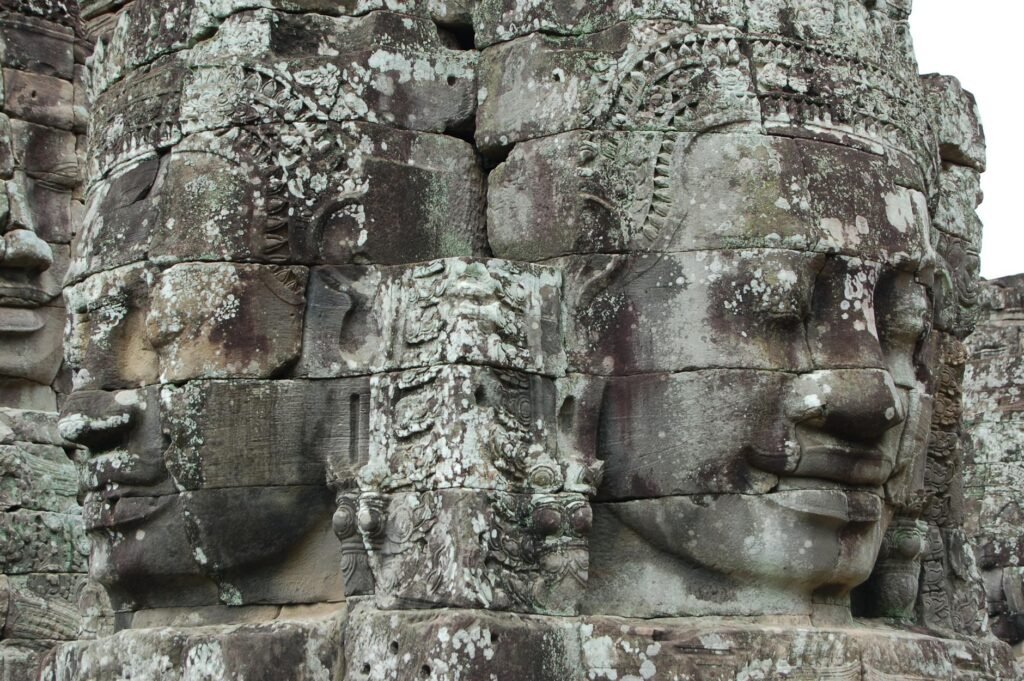 This iconic temple is a must-see for anyone interested in exploring Khmer history and architecture. Learn more about the construction techniques used.
Religious Influences and Royal Power
Hinduism and later Buddhism played profound roles in shaping Khmer society and governance. The rulers, often considered divine kings, held immense power and patronage. They commissioned grand temples like Angkor Wat and Bayon, reflecting their religious beliefs and political authority. Discover more about the role of religion in the Khmer Empire. 
The Empire’s Expansion and Influence
At its zenith, the Khmer Empire controlled a vast territory encompassing much of present-day Cambodia, Thailand, Laos, and Vietnam. Its influence extended far beyond its borders, impacting neighboring kingdoms and trade routes. The empire’s sophisticated irrigation systems, particularly the intricate network of canals and reservoirs, were crucial for its agricultural success and overall prosperity. Explore the intricacies of the Khmer irrigation system.
Challenges and Decline
Despite its impressive achievements, the Khmer Empire faced internal conflicts and external pressures. The changing political landscape and competition with neighboring powers contributed to the empire’s gradual decline. [IMAGE_3_HERE] The arrival of the Ayutthaya Kingdom from Thailand marked a significant turning point. Learn about the military conflicts that weakened the Khmer Empire.
Legacy of the Khmer Empire
Though the Khmer Empire eventually faded, its legacy lives on. The magnificent temples of Angkor, such as Angkor Thom and Ta Prohm, stand as enduring monuments to its greatness. Its artistic and architectural achievements continue to inspire awe, and its influence can still be seen in Cambodian culture and identity. [IMAGE_4_HERE] The empire’s sophisticated water management techniques provide valuable insights for modern-day challenges. Delve into the lasting cultural impact of the Khmer Empire. Explore the UNESCO World Heritage sites of Angkor.
The Khmer Empire’s story is one of remarkable achievements, powerful rulers, and profound religious influences. Its rise, expansion, and eventual decline offer a captivating glimpse into a pivotal period of Southeast Asian history. The empire’s legacy continues to resonate, shaping modern Cambodia and fascinating scholars and tourists alike.
Frequently Asked Questions
What was the Khmer Empire’s most significant achievement? The construction of the magnificent Angkor Wat temple complex, a feat of engineering and artistry, is considered its most significant achievement.
How did the Khmer Empire’s irrigation system work? The system consisted of reservoirs, canals, and dikes that channeled water to rice paddies, ensuring agricultural productivity and economic prosperity.
When did the Khmer Empire decline? The empire’s decline began gradually in the late 13th century and accelerated in the 14th and 15th centuries, influenced by internal strife and external pressures.
What religion influenced the Khmer Empire? Initially Hinduism, and later, Theravada Buddhism played pivotal roles in shaping the Khmer Empire’s culture, art, and political structure.
What is the modern-day legacy of the Khmer Empire? The modern-day legacy includes the magnificent temples of Angkor, a source of national pride, cultural influence, and tourism. It also includes its sophisticated water management techniques which serve as examples today.