Witnessing the sunrise over Angkor Wat is an experience that transcends the ordinary. It’s a breathtaking spectacle of light, shadow, and ancient history, a moment etched forever in the memory of those fortunate enough to witness it.
The Best Time to Visit
Planning your trip to catch the perfect sunrise requires some consideration. The best time to visit Angkor Wat is during the dry season (November to April), when the skies are typically clear and offer unobstructed views. Consider checking weather forecasts closer to your travel dates, and even consulting a weather app for the most accurate predictions. However, even during the dry season, it is crucial to be prepared for potential changes in weather. Remember to bring layers, as the temperature can fluctuate throughout the day.
Getting There and Where to Watch
Getting to Angkor Wat early is crucial. Many visitors arrive before dawn to secure the best viewing spots. If you’re staying near the temple complex, you might consider walking. Otherwise, a tuk-tuk is a convenient and affordable option. There are designated viewing areas; however, many visitors choose slightly different spots and you will see why when you arrive. Read our guide on transportation for more details. There are plenty of options to choose from depending on your budget and preference. You can even book a guided tour, many of which will assist with transportation and entry.
What to Expect
As the sun begins its ascent, the ancient stones of Angkor Wat are bathed in a warm, golden light. The atmosphere is both serene and electric, a palpable sense of wonder shared by hundreds of fellow spectators. It’s a truly magical experience. 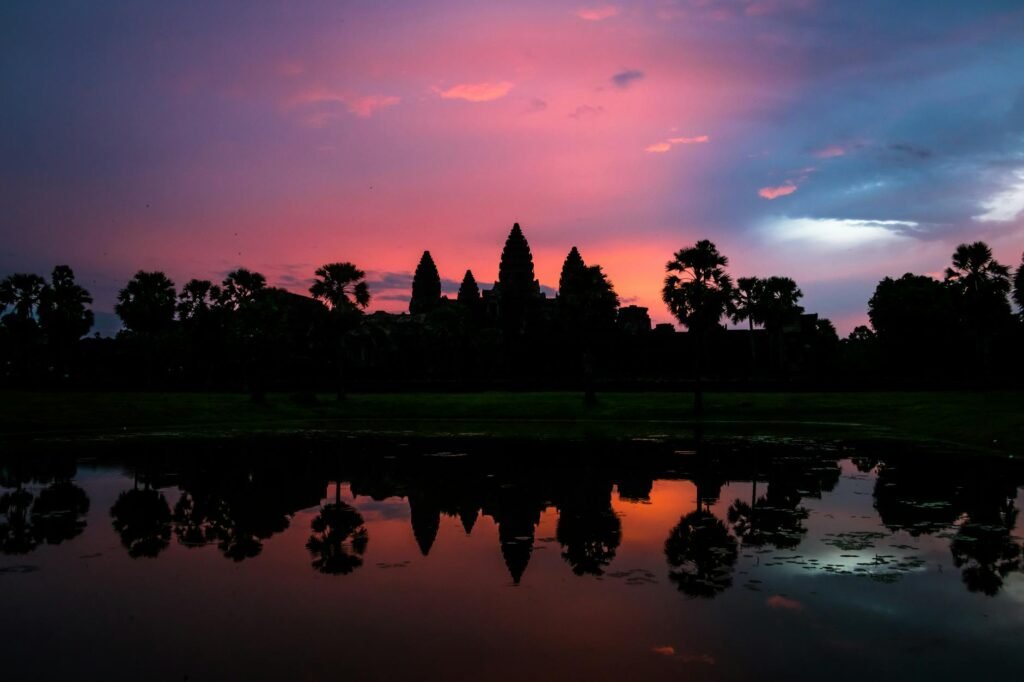 You will be able to see the incredible detail of the carvings and bas-reliefs of the temple.
 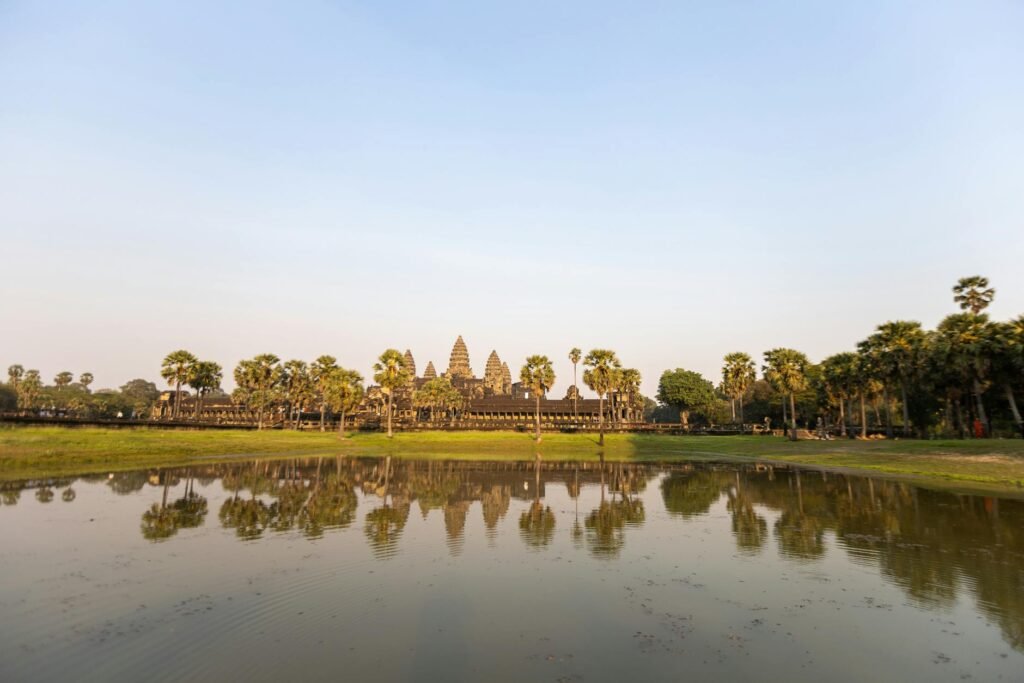 Consider bringing binoculars for a closer look at those more distant aspects. It’s recommended to book your tickets in advance to avoid long queues and ensure you make the most of your time there.
Photographing the Sunrise
Capturing the beauty of the Angkor Wat sunrise requires some planning. Familiarize yourself with your camera settings beforehand, as you’ll have limited time to adjust them in the dim pre-dawn light. Remember to bring extra batteries and memory cards. This is something that will become an unforgettable memory, and worth capturing with the best quality possible. Using a tripod is advised, especially when using longer exposures, which might help to capture the beauty of the sunrise even more accurately. [IMAGE_3_HERE]
Respectful Viewing
While the sunrise over Angkor Wat is a sight to behold, it’s important to remember that this is a sacred site. Dress respectfully (shoulders and knees covered), avoid loud noises, and be mindful of fellow visitors. Learn more about appropriate attire on the official tourism website. Maintaining a respectful environment ensures that everyone can fully appreciate this magnificent experience. [IMAGE_4_HERE]
Witnessing the sunrise over Angkor Wat is an experience that will stay with you long after you’ve left Cambodia. It’s a reminder of the beauty of nature, the power of history, and the magic of shared human experience. It is one of the most unique travel experiences you could hope to find. Read more travel blogs here.
Frequently Asked Questions
What is the best time of year to visit Angkor Wat for sunrise? The best time is during the dry season (November to April).
How early should I arrive to get a good viewing spot? It is recommended to arrive at least an hour before sunrise.
What should I bring with me? A camera, comfortable shoes, and water are essentials.
Is it necessary to book a tour? While not mandatory, a guided tour can enhance your experience and provide valuable insights.
What is the cost of admission to Angkor Wat? Ticket prices vary depending on the duration of your visit; check the official website for the most up-to-date information. Find ticket information here.