Cambodia, officially the Kingdom of Cambodia, boasts a rich and captivating history spanning millennia. From its ancient empires to its turbulent 20th century, the nation’s story is one of resilience, cultural preservation, and remarkable adaptation.
Ancient Empires and Angkor
The story of Cambodia begins long ago, with evidence of human settlement dating back thousands of years. However, the period most recognized for its monumental achievements is the Khmer Empire, which flourished between the 9th and 15th centuries. The empire’s most iconic legacy is Angkor, a sprawling complex of temples and cities, the most famous being Angkor Wat. 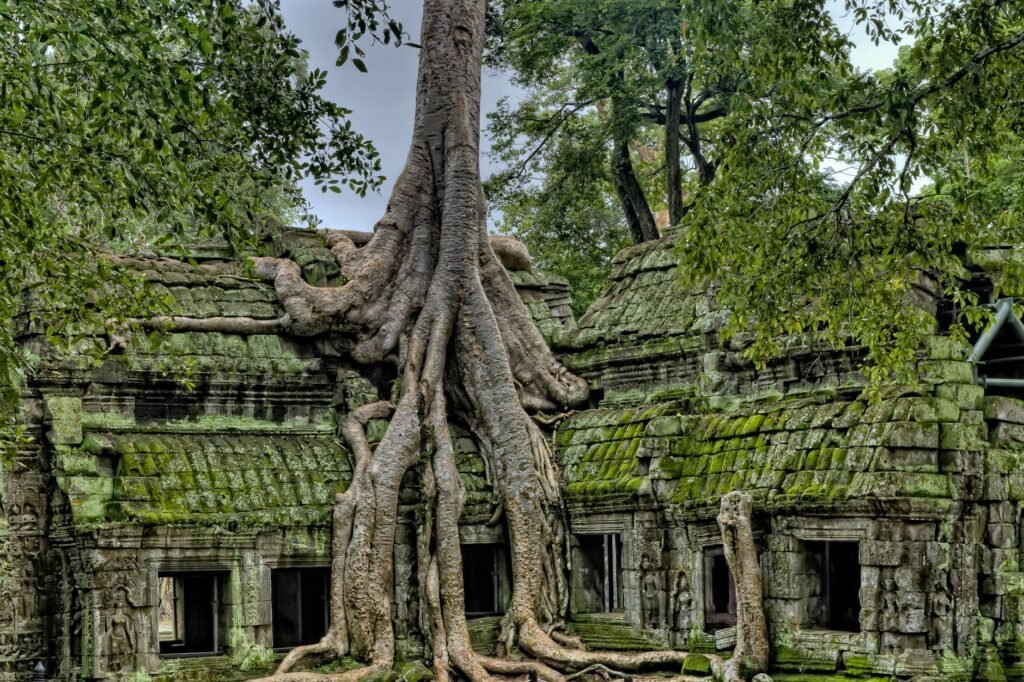 This incredible site showcases the architectural prowess and sophisticated understanding of astronomy and mathematics of the Khmer people. Learning about the construction techniques and astronomical alignments used at Angkor is truly fascinating and offers a glimpse into the intellectual advancements of the era. You can explore more about this era by visiting the official Angkor Wat website.
The Rise and Fall of the Khmer Empire
The Khmer Empire’s reign wasn’t without its challenges. Internal conflicts, succession crises, and external pressures from neighboring kingdoms contributed to its eventual decline. The Siamese (Thai) gradually encroached on Khmer territory, culminating in the fall of Angkor in the 15th century. 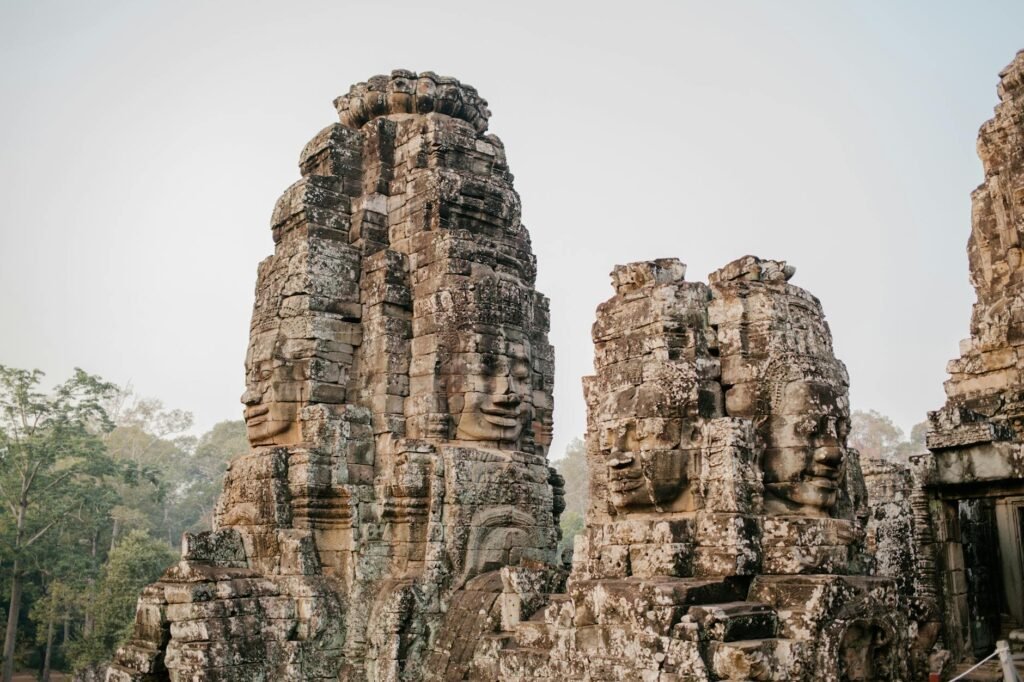 This period marks a significant turning point, ushering in a new chapter in Cambodian history. For more information on the political dynamics of the period, check out this academic article.
French Colonial Influence
From the 19th century onwards, Cambodia came under French colonial rule as part of French Indochina. This period saw significant changes in Cambodia’s political, economic, and social structures. The French introduced modern infrastructure, but also imposed their own systems, often at the expense of traditional Khmer ways of life. Learning more about this period is crucial to understand Cambodia’s modern political landscape. To gain more insight on this complex period, you can visit the Colonial Cambodia section of the National Museum website.
The Khmer Rouge Regime and its Aftermath
The mid-20th century witnessed the devastating impact of the Khmer Rouge regime under Pol Pot. From 1975 to 1979, Cambodia endured a brutal period of genocide, resulting in the deaths of an estimated 2 million people. This dark chapter in Cambodian history continues to cast a long shadow. Understanding this genocide is paramount to understanding modern Cambodia. [IMAGE_3_HERE] This tragic event is deeply explored in this documentary which gives a detailed account of the suffering endured by the Cambodian people.
Post-Conflict Reconstruction and Modern Cambodia
Following the fall of the Khmer Rouge, Cambodia embarked on a difficult path towards reconstruction and reconciliation. The country has made significant strides in economic development and democratic reforms, though challenges remain. The resilience and determination of the Cambodian people are evident in their efforts to rebuild their nation. For more in-depth knowledge about this rebuilding process, you can refer to the post-war development section of this website. [IMAGE_4_HERE]
Conclusion
Cambodia’s history is a tapestry woven with threads of triumph and tragedy, of resilience and reconstruction. From the grandeur of Angkor to the horrors of the Khmer Rouge regime, the nation’s journey is one of both remarkable achievement and profound suffering. Understanding its past is crucial to comprehending its present and future.
Frequently Asked Questions
What was the Khmer Empire? The Khmer Empire was a powerful Southeast Asian empire that flourished between the 9th and 15th centuries, known for its magnificent temples at Angkor.
Who were the Khmer Rouge? The Khmer Rouge was a communist regime that ruled Cambodia from 1975 to 1979, responsible for the Cambodian genocide.
What is Angkor Wat? Angkor Wat is a massive stone temple complex in Angkor, Cambodia, and the largest religious monument in the world. It’s a prime example of Khmer architecture and a UNESCO World Heritage site. Learn more about Angkor Wat here.
What role did France play in Cambodian history? France colonized Cambodia in the 19th century, significantly impacting its political, economic, and social structures.
How is Cambodia today? Cambodia today is a developing nation actively working towards economic growth, political stability, and national healing.