Siem Reap, Cambodia, is renowned for its breathtaking temples, a testament to the Khmer Empire’s rich history and artistic prowess. Beyond Angkor Wat, a plethora of awe-inspiring structures await exploration. This guide highlights some of the must-visit temples in Siem Reap, offering a glimpse into the architectural wonders and spiritual significance of this captivating region.
Angkor Wat: The Iconic Masterpiece
No trip to Siem Reap is complete without visiting Angkor Wat 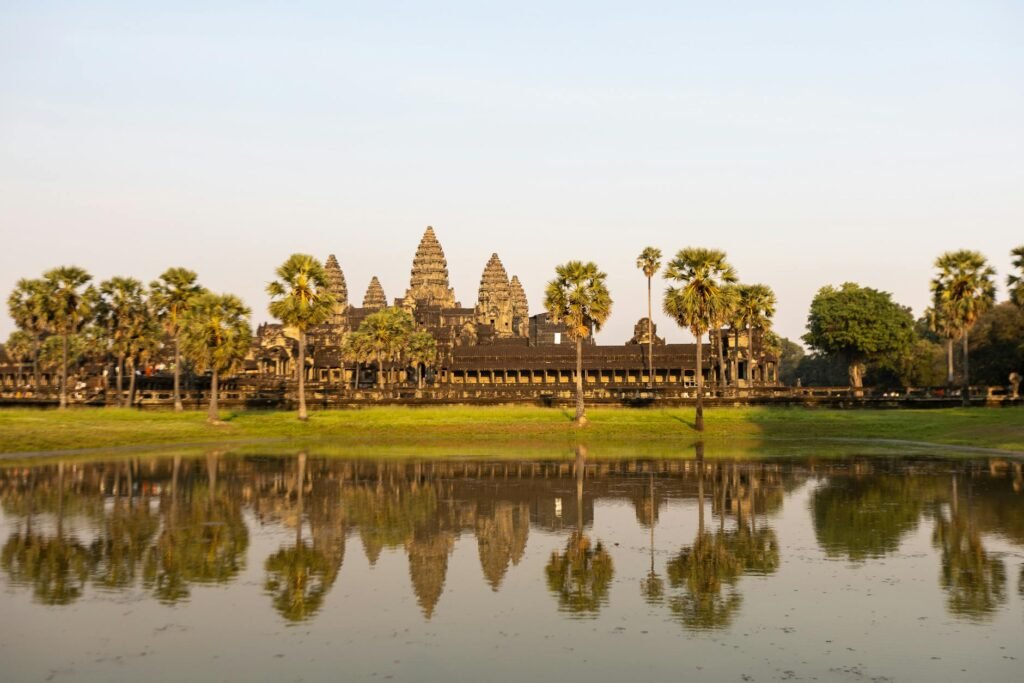 , the iconic temple mountain and arguably the most stunning example of Khmer architecture. Its grandeur is unparalleled, with its five towering central towers reaching towards the heavens. Plan at least half a day to fully appreciate its intricate carvings and vast scale. Remember to visit during sunrise or sunset for a truly magical experience. For a deeper understanding of the history, consider booking a guided tour; you can find reputable guides here.
Angkor Thom: The Great City
Angkor Thom  , meaning "Great City," is an impressive walled city encompassing several significant temples, including the enigmatic Bayon with its enigmatic smiling faces. Explore the sprawling complex, taking your time to discover the hidden gems within. The Terrace of the Elephants and the Terrace of the Leper King are also highlights, offering insights into the rituals and ceremonies of the Khmer Empire. You can learn more about Angkor Thom’s history on this website.
Ta Prohm: The Temple Tomb Raider
Ta Prohm [IMAGE_3_HERE], famously known as the "Tomb Raider" temple due to its depiction in the movie, is uniquely captivating for its jungle-clad ruins. Massive tree roots entwine the ancient stones, creating a breathtaking and almost surreal atmosphere. It’s a must-see for its unique blend of nature and architecture. Remember to wear comfortable shoes as you’ll be doing quite a bit of walking. Read more about navigating the temples.
Banteay Srei: The Citadel of Women
Unlike the colossal structures of Angkor Wat and Angkor Thom, Banteay Srei [IMAGE_4_HERE] stands out for its intricate pink sandstone carvings. Dedicated to the Hindu god Shiva, this beautifully preserved temple is smaller and more intimate, offering a different perspective on Khmer artistry. Its delicate carvings showcase the high level of craftsmanship during the Khmer Empire. For a deeper understanding of the temple’s significance, consider a guided tour or check out resources like this one.
Preah Khan: A Lost City
Preah Khan [IMAGE_5_HERE], a sprawling complex shrouded in mystery, invites exploration. This once-grand temple-city is partially reclaimed by the jungle, creating an atmosphere that’s both serene and evocative. Wandering through its crumbling structures, you can almost imagine the bustling life it once held. Check out our tips for planning your visit.
Exploring these temples offers a journey through time, revealing the Khmer Empire’s rich legacy. Remember to dress respectfully and stay hydrated, especially during the hotter months. Proper planning and respectful behavior will ensure a memorable experience.
Frequently Asked Questions
What’s the best time to visit Siem Reap? The best time to visit is during the dry season (November to April), when the weather is pleasant and ideal for exploring the temples.
How much time do I need to see all the temples? At least 3-4 days are recommended to comfortably explore the major temples, but more time allows for a more leisurely pace.
How can I get around Siem Reap? Taxis, tuk-tuks, and bicycle rentals are readily available. Tuk-tuks are a popular and affordable choice for getting around the temples.
Is it necessary to hire a guide? While not mandatory, hiring a local guide can enhance your understanding and appreciation of the temples’ history and significance. Find a guide here.
What should I wear to visit the temples? Dress respectfully, covering your shoulders and knees. This is crucial, as you’ll not be allowed to enter some sites if your clothing is inappropriate.