Phnom Penh, the vibrant capital of Cambodia, holds a somber and significant history. A visit here necessitates confronting the atrocities of the Khmer Rouge regime, a period of immense suffering that forever changed the nation. Two sites stand as stark reminders: the Killing Fields (Choeung Ek) and S-21 (Tuol Sleng Genocide Museum), places where unspeakable horrors occurred. This guide provides a respectful and informative look at these important historical locations.
Understanding the Khmer Rouge Regime
To truly grasp the significance of the Killing Fields and S-21, it’s crucial to understand the context. The Khmer Rouge, led by Pol Pot, seized power in 1975, implementing a radical agrarian socialist ideology that led to the Cambodian genocide. Their reign of terror lasted until 1979, resulting in the deaths of an estimated 2 million people, approximately a quarter of Cambodia’s population. Learning more about this period is crucial before visiting these sites.
Choeung Ek: The Killing Fields
Choeung Ek, or the Killing Fields, is a site of unimaginable suffering. Once a quiet orchard, it became a mass execution ground. 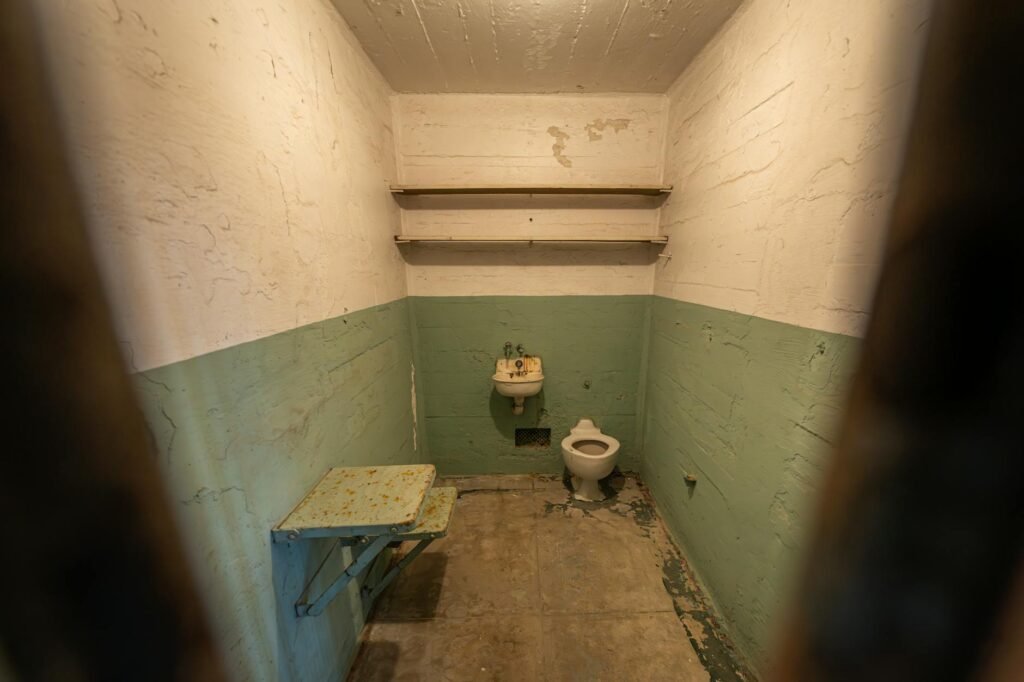 Visiting the Killing Fields is a deeply moving experience. The site is filled with hundreds of mass graves, and a haunting stupa holds the skulls of countless victims. The sheer scale of the atrocities is palpable. Read more about the history of the Killing Fields and its significance.
S-21: Tuol Sleng Genocide Museum
S-21, originally a school, was transformed into a notorious security prison under the Khmer Rouge. 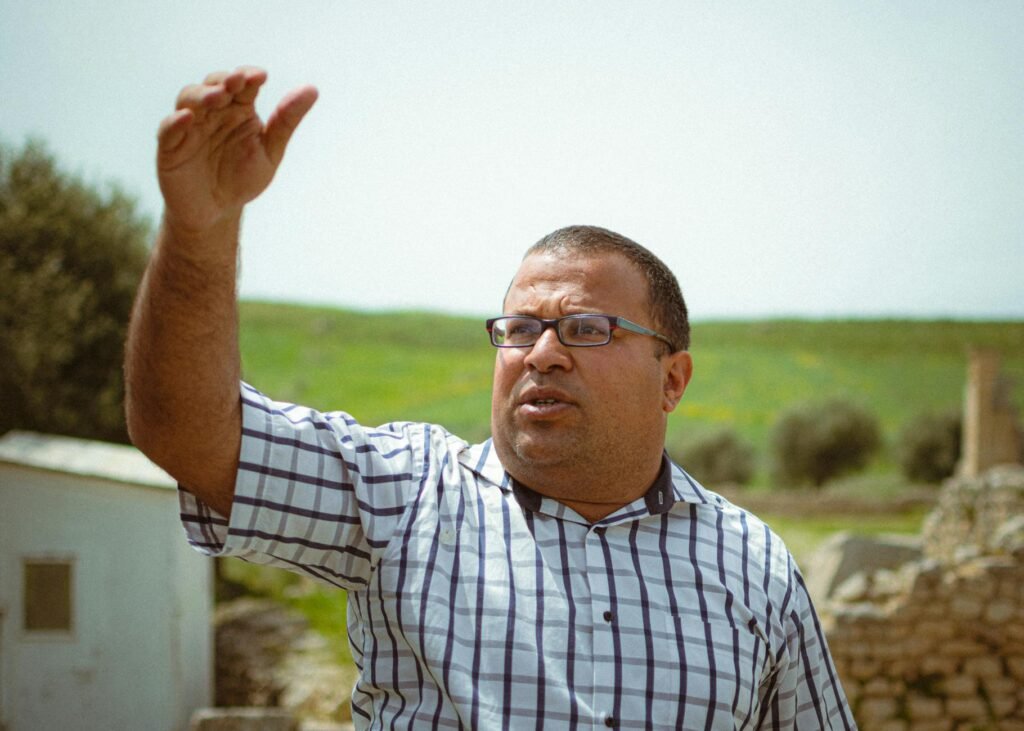 Now the Tuol Sleng Genocide Museum, it stands as a testament to the regime’s brutality. The prison cells are preserved as they were, showcasing the inhumane conditions prisoners endured. The photographs of victims, many of them children, are particularly heartbreaking. You can find more information on the museum’s website.
The Journey Through Trauma
Visiting these sites is emotionally challenging, but essential for understanding Cambodia’s past. Allow ample time for reflection and processing. The sheer scale of suffering is difficult to comprehend. There are guides available who can provide further context and support during your visit. [IMAGE_3_HERE] Be prepared for a powerful and moving experience. Consider the psychological impact of such visits and allow yourself time for reflection afterwards.
Remembering the Victims
Beyond the physical sites, the Killing Fields and S-21 serve as powerful memorials. They stand as a stark warning against the dangers of extremism and human rights abuses. Learn more about how to support organizations dedicated to remembering the victims and preventing future atrocities. Remembering the victims is a critical part of the healing process for Cambodia and for the world. [IMAGE_4_HERE]
Conclusion
A visit to the Killing Fields and S-21 is not a pleasant experience, but it is an essential one. It forces us to confront the horrors of the past and to learn from them. These sites serve as a potent reminder of the importance of human rights, peace, and the prevention of genocide. To further your understanding, consider reading survivor testimonies.
Frequently Asked Questions
What should I expect when visiting these sites? Expect a deeply emotional and moving experience. Be prepared for graphic imagery and disturbing information. Allow ample time for reflection.
Are these sites appropriate for children? These sites are extremely graphic and emotionally intense. Parental discretion is strongly advised. It’s essential to assess the maturity level of your children before bringing them.
What is the best way to prepare for a visit? Read about the Khmer Rouge regime and the Cambodian genocide beforehand. Consider hiring a guide to provide context and support. Allow ample time for reflection after your visit.
Are there resources available for support after visiting? Yes, many organizations offer support and resources for those affected by the trauma associated with the Khmer Rouge regime and the genocide. Your hotel or tour operator may be able to provide relevant information.
How can I contribute to the preservation of these sites? You can contribute by respecting the sites, donating to organizations dedicated to their preservation, and sharing your experience to educate others.