Angkor Wat, the magnificent temple complex in Cambodia, is renowned not only for its architectural grandeur but also for the profusion of exquisite sculptures that adorn its walls and interiors. These sculptures, created over centuries, offer a captivating glimpse into the religious beliefs, artistic styles, and daily life of the Khmer Empire.
Deities and Devata
Many of the sculptures depict Hindu deities, primarily those from the Vishnuite pantheon. Vishnu himself, along with his consorts Lakshmi and other important figures like Brahma and Shiva, are frequently represented in various poses and contexts. The apsaras, celestial nymphs, are particularly captivating, with their graceful poses and intricate details. 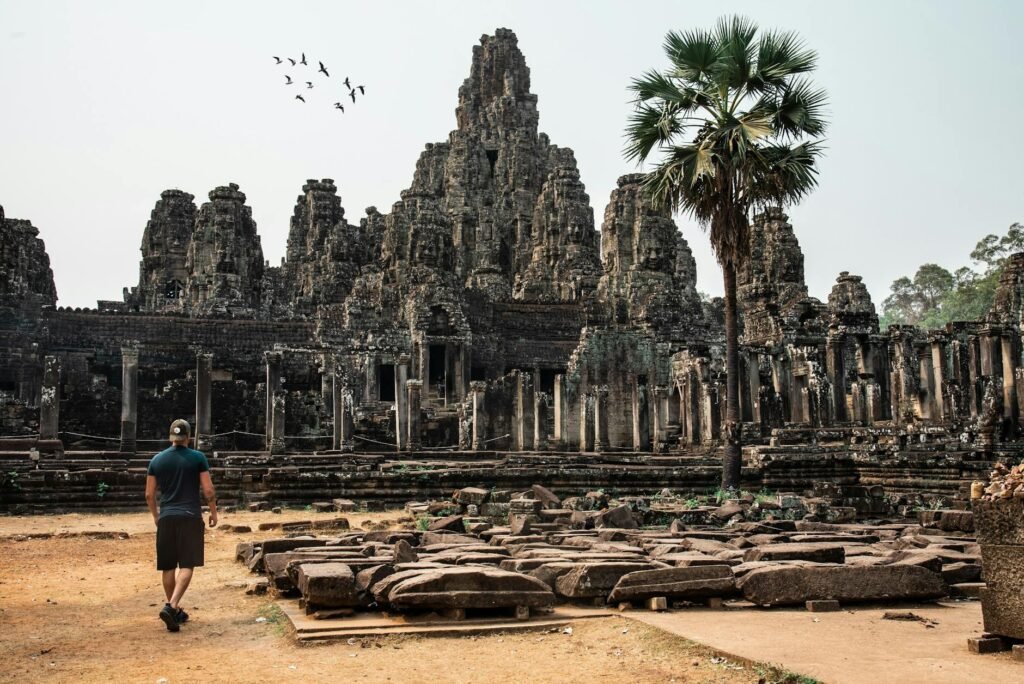 Their presence adds a sense of ethereal beauty to the temple walls. You can learn more about the iconography here.
Narrative Reliefs
Beyond the individual depictions of deities, Angkor Wat’s sculptures also feature extensive narrative reliefs. These intricate carvings tell stories from Hindu epics like the Ramayana and the Mahabharata, bringing these ancient tales to life. The level of detail is astonishing, with scenes depicting battles, royal processions, and everyday life. 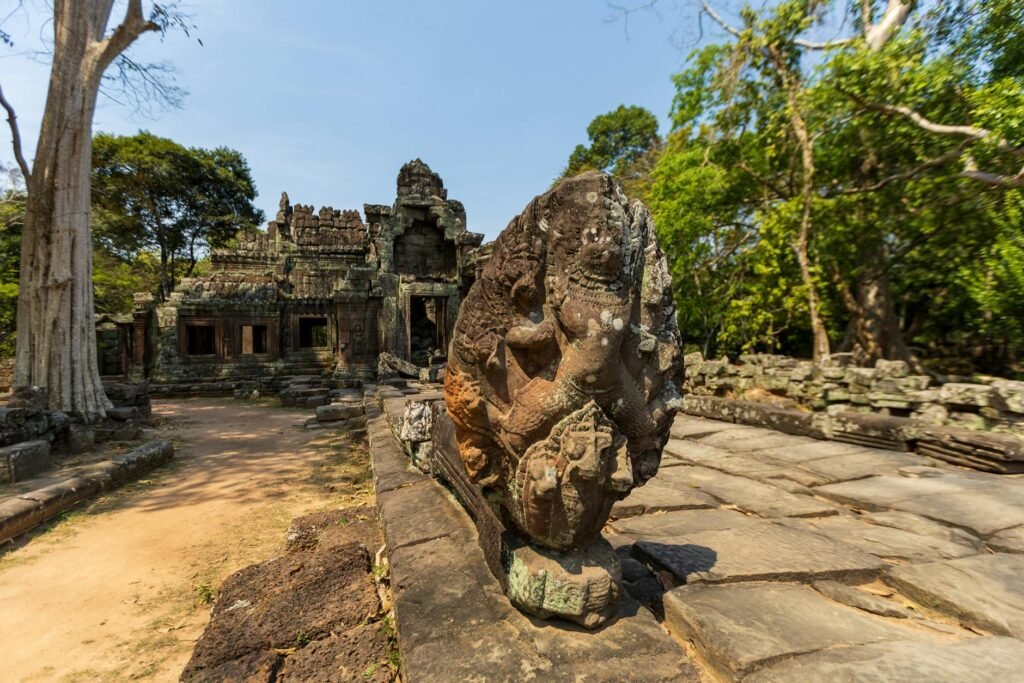 The craftsmanship is a testament to the skill of the Khmer artisans. For more on the Ramayana depictions, check out this external resource.
Artistic Styles and Techniques
The sculptures of Angkor Wat showcase a unique artistic style that evolved over time. Early sculptures exhibit a certain stiffness and formality, while later works display greater dynamism and naturalism. The techniques used, including the carving of sandstone and the application of paint (though much of it has faded), are remarkable feats of artistry. The use of bas-relief is particularly effective in conveying narrative.
Symbolism and Meaning
The symbolism embedded within the sculptures is rich and complex. Each deity, each pose, each detail carries layers of meaning related to cosmology, religious beliefs, and royal power. Understanding this symbolism requires careful study, but it adds depth and richness to the appreciation of these works. For example, the lotus flower often symbolizes purity and enlightenment. A great resource on Khmer symbolism is this scholarly article.
Preservation and Restoration
Preserving these invaluable sculptures is a continuous challenge due to the effects of weathering and decay. Numerous restoration projects are underway, employing advanced techniques to stabilize and protect the sculptures for future generations. [IMAGE_3_HERE] Learn more about conservation efforts on this page. For additional information, you can visit the official Angkor Wat website.
The sculptures of Angkor Wat are more than just decorative elements; they are integral to the temple’s spiritual and historical significance. They offer a window into a rich and complex past, inviting us to marvel at the artistic skill and spiritual depth of the Khmer civilization.
Frequently Asked Questions
What materials were used to create the sculptures? Primarily sandstone, which was intricately carved and sometimes painted.
How were the sculptures created? Skilled artisans used chisels and other tools to carve the sandstone blocks, often employing bas-relief techniques.
What is the condition of the sculptures today? Many are well-preserved, but some have suffered damage from weathering and decay. Ongoing restoration efforts aim to protect them.
Are there any modern replicas of the sculptures? While there aren’t full-scale replicas, many museums have smaller casts or reproductions of select pieces.
Where can I find more information? Many books and academic articles are dedicated to the sculptures of Angkor Wat. You can also explore online resources from museums and cultural institutions.