My Angkor Wat adventure began spontaneously, a testament to the beauty of unplanned travel. I met Mr. Silleng, my tuk-tuk driver, at the bustling Siem Reap Pub Street. His easy smile and encyclopedic knowledge of the temples sealed the deal. We set off the next morning, not just to see the iconic Angkor Wat, but to explore its lesser-known, equally captivating neighboring temples.
Beyond the Tourist Trail: Discovering Angkor’s Hidden Gems
While Angkor Wat is breathtaking 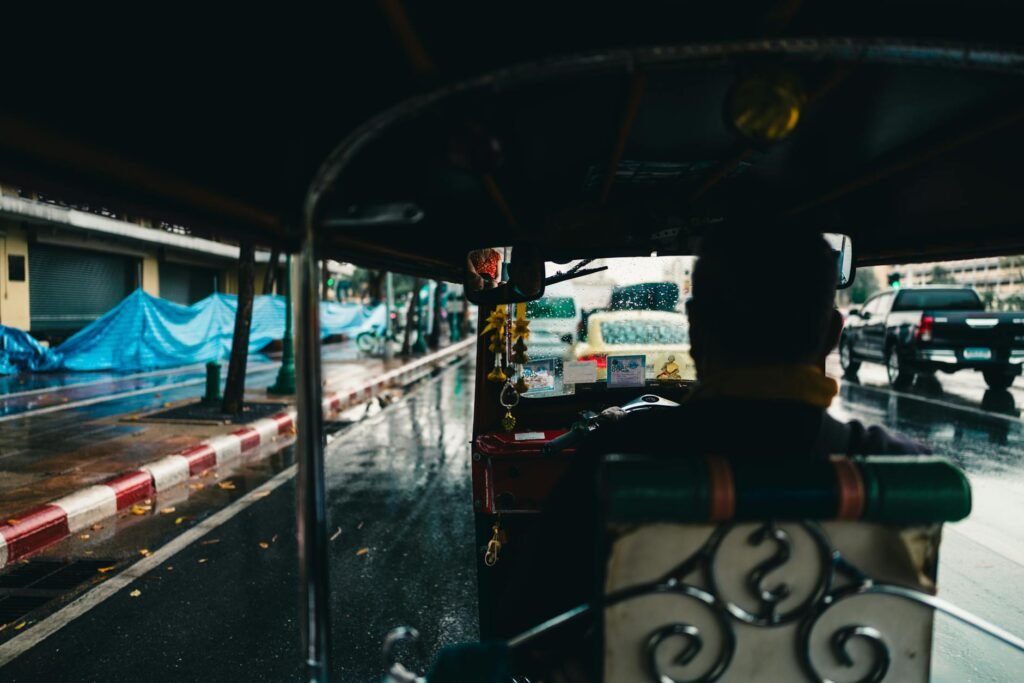 , it’s the surrounding temples that truly revealed the scale and artistry of the Khmer Empire. Mr. Silleng expertly navigated us through less crowded paths, pointing out intricate carvings and sharing captivating stories about their history and significance. He had a knack for finding the perfect spots for stunning photographs
 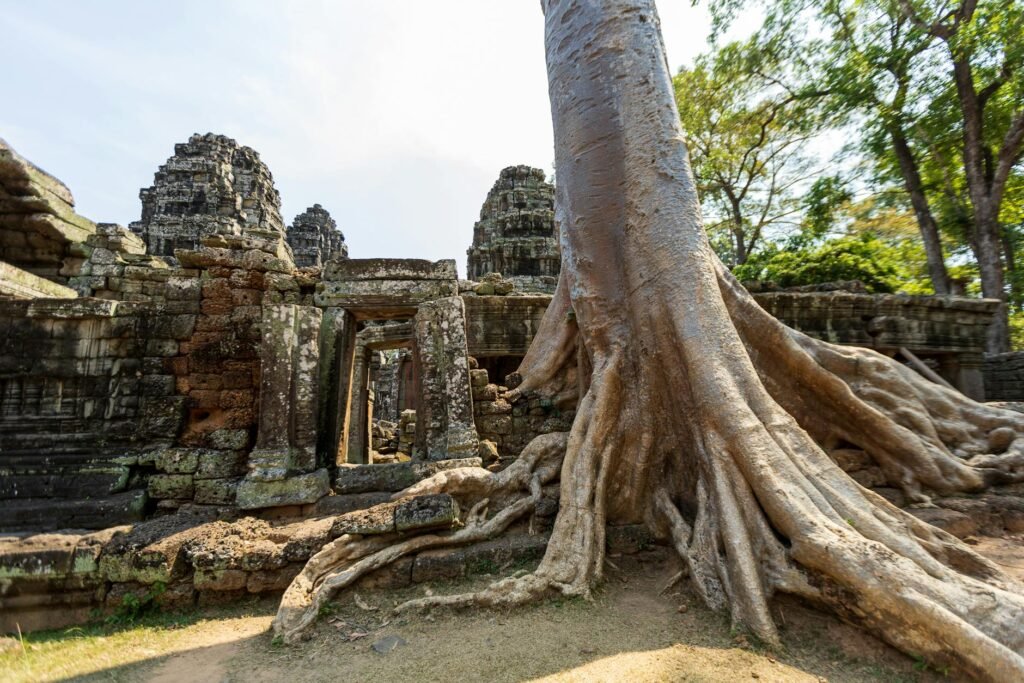 , making our journey both informative and visually spectacular.
Ta Prohm: The Temple Tomb Raider Made Famous
Ta Prohm, famously known as the ‘Tomb Raider’ temple, was an absolute highlight. The massive trees growing out of the ancient stones are awe-inspiring. Mr. Silleng explained how these strangler figs and other vegetation have become part of the temple’s very essence, a poignant reminder of the cyclical nature of time. It’s one of my favorite temples and truly is a wonder to behold. Read more about Ta Prohm’s history.
Banteay Srei: The Citadel of Women
Banteay Srei, often called the ‘Citadel of Women’, is renowned for its incredibly delicate and intricate carvings. Unlike other temples built of laterite and sandstone, Banteay Srei is made of pink sandstone, giving it a unique and stunning visual appeal. Mr. Silleng’s insights into the stories depicted in the carvings gave the experience profound depth. This temple is so impressive that it feels worthy of a dedicated day trip. [IMAGE_3_HERE]
Exploring the Temples of Angkor Thom
Our journey continued into the walled city of Angkor Thom. Here, we visited the Bayon temple, known for its enigmatic smiling faces [IMAGE_4_HERE], and the Terrace of the Elephants, a former royal platform that once hosted grand processions. Mr. Silleng’s knowledge of Angkor Thom was impressive, providing context beyond what I’d read in guidebooks. Learn more about the history of Angkor Thom and the significance of the Bayon.
A Sunset to Remember
Our day culminated with a breathtaking sunset view over the Angkor Wat complex from a secluded spot Mr. Silleng knew about. It was the perfect ending to a truly unforgettable journey. We watched as the sun dipped below the horizon, painting the sky in hues of orange, pink, and purple. It was such a magical end to a magical day! I highly recommend booking a sunset tour and experiencing the tranquility for yourself.
Conclusion
Exploring Angkor Wat with Mr. Silleng was more than just a sightseeing tour; it was a cultural immersion. His knowledge, enthusiasm, and genuine warmth made our experience exceptionally enriching. I left Angkor not just with stunning photographs, but with a deep appreciation for the history, artistry, and spirituality of this remarkable place. I can’t wait to plan another trip and explore further!
Frequently Asked Questions
What is the best time to visit Angkor Wat? The best time to visit is during the dry season (November to April) for pleasant weather and fewer crowds.
How much does a tuk-tuk typically cost? Prices are negotiable, but you can expect to pay around $15-$25 per day for a tuk-tuk.
Is it possible to visit all the temples in one day? It’s ambitious, but possible, depending on your fitness level and the temples you prioritize. Check out some helpful itineraries online.
How do I find a reliable tuk-tuk driver? Ask your hotel or guesthouse for recommendations. Mr. Silleng is highly recommended, though finding your own trustworthy guide is certainly possible!
Are there any hidden fees or costs to consider? Be sure to discuss the price beforehand and clarify what is included (e.g., entrance fees, fuel).