Our Cambodian adventure began in Siem Reap, a town brimming with the echoes of a glorious empire. I’d arranged a private tuk-tuk tour with the incredibly friendly and knowledgeable Mr. Silleng, and I was not disappointed. He was more than just a driver; he was our guide, our confidante, and our window into the soul of Angkor.
Angkor Thom: The Great City
Our journey started at Angkor Thom, the last and most enduring capital of the Khmer Empire. Mr. Silleng expertly navigated the bustling roads, finally arriving at the South Gate, a majestic entrance adorned with towering figures. 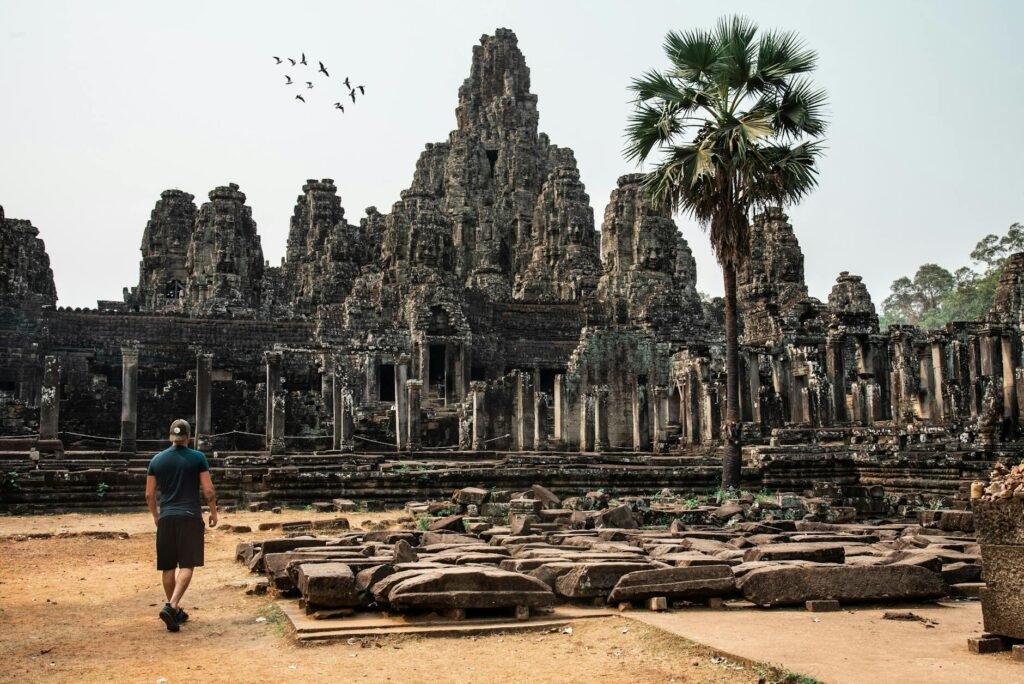 He shared fascinating stories about the history and significance of each monument, bringing the ancient stones to life. The sheer scale of Angkor Thom is breathtaking, and exploring its temples with Mr. Silleng made the experience all the more enriching. We spent hours exploring the Bayon, the Phimeanakas, and the Terrace of the Elephants, each site more impressive than the last. We even stumbled upon a hidden path leading to a quiet pond – a tranquil escape from the crowds. I highly recommend booking your tour in advance, especially if you want a personal experience like ours. You can check out this website for more details.
The Enigmatic Bayon
The Bayon temple, located within Angkor Thom, is arguably the most iconic site in the entire complex. Its enigmatic smiling faces, carved into the stone towers, are instantly recognizable. 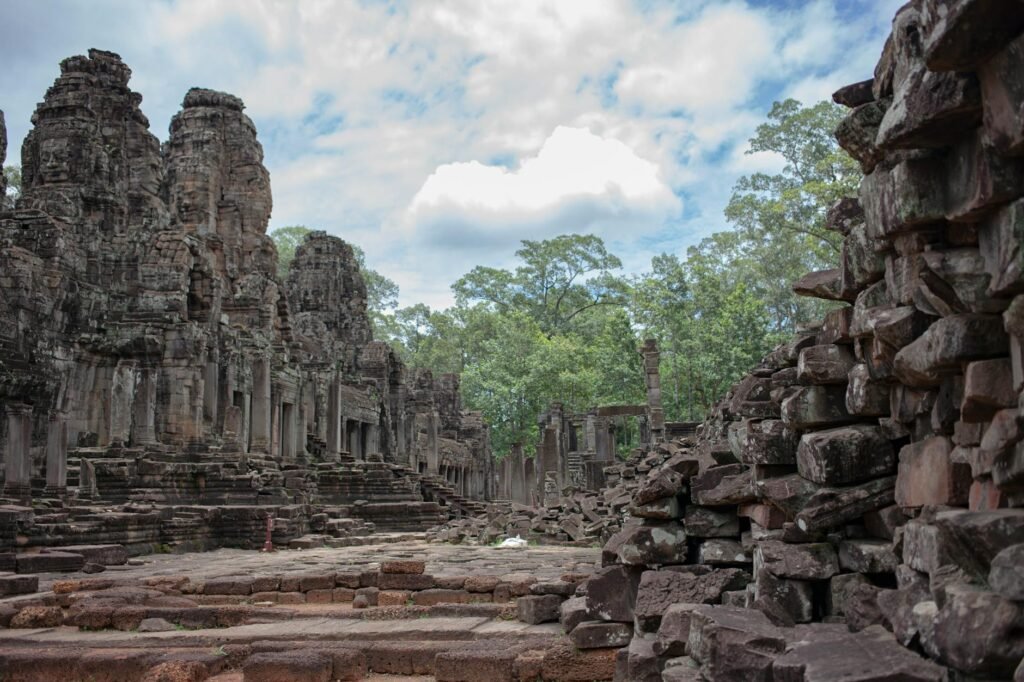 Mr. Silleng explained the possible interpretations of these enigmatic smiles, suggesting they might represent bodhisattvas, or perhaps even a reflection of the king’s own countenance. He showed us hidden details in the carvings, pointing out small figures and intricate scenes that most tourists miss. He was able to answer every question we had with insight and grace. To learn more about the Bayon’s unique architecture, check out this academic article.
Ta Prohm: The Tomb Raider Temple
Our next stop was Ta Prohm, famously known as the “Tomb Raider” temple due to its appearance in the movie. [IMAGE_3_HERE] Unlike the other temples, Ta Prohm is partially reclaimed by the jungle, creating a breathtaking and atmospheric scene. Huge tree roots snake around and through the ancient stones, a testament to the power of nature. Mr. Silleng led us through the temple’s overgrown pathways, pointing out the fascinating interplay between the architecture and the natural world. He also shared stories about the ongoing conservation efforts to preserve this unique temple for future generations. This site is a must-see, but be prepared for some challenging walking conditions. You can read more about the conservation work here.
Beyond the Temples: Siem Reap
Beyond the ancient temples, Mr. Silleng also gave us insights into the vibrant town of Siem Reap. He took us to the local markets where we experienced the bustling atmosphere and sampled delicious Cambodian street food. [IMAGE_4_HERE] We even had the opportunity to visit a local Apsara dance performance, a mesmerizing spectacle of traditional Khmer art. This cultural immersion was a wonderful complement to our exploration of Angkor.
Sunset over Angkor Wat
To top off our incredible day, Mr. Silleng took us to a vantage point to witness a breathtaking sunset over Angkor Wat. [IMAGE_5_HERE] It’s a scene I’ll never forget, and it really gave a beautiful, quiet end to a wonderful day. It perfectly encapsulated the majesty and splendor that is Angkor. The views from this specific viewpoint are absolutely stunning! To find more incredible sunset spots, check out this blog post about Siem Reap!
Our tuk-tuk adventure with Mr. Silleng was more than just a tour; it was a journey into the heart of Cambodian history and culture. He provided insightful commentary and friendly conversation, making the whole experience unforgettable. I highly recommend hiring a private driver like Mr. Silleng to get the most out of your visit to Angkor. The personal experience and intimate knowledge provided a level of cultural immersion far surpassing a standard tour.
Frequently Asked Questions
What is the best time to visit Angkor? The best time to visit Angkor is during the dry season, which is from November to April.
How much does a tuk-tuk tour typically cost? The cost varies depending on the duration and destinations included but expect to negotiate a fair price before starting your tour. You can also check this price comparison page for more details.
How do I find a reputable guide like Mr. Silleng? Ask your hotel for recommendations, or do some research online to find reputable tour operators and drivers.
What should I wear when visiting the temples? Dress respectfully. Shoulders and knees should be covered.
What should I bring with me? Bring comfortable walking shoes, sunscreen, insect repellent, water, and a hat.