Cambodia, the enigmatic Kingdom of Wonder, is home to some of the most breathtaking and awe-inspiring temples in the world. These ancient structures, testaments to the Khmer Empire’s power and artistry, stand as silent witnesses to centuries of history and cultural evolution. From the colossal Angkor Wat to the intricate Bayon, each temple offers a unique glimpse into the Khmer civilization’s rich past.
Angkor Wat: The Majestic Masterpiece
Angkor Wat, the iconic symbol of Cambodia, is undoubtedly the most famous Khmer temple. This magnificent structure, 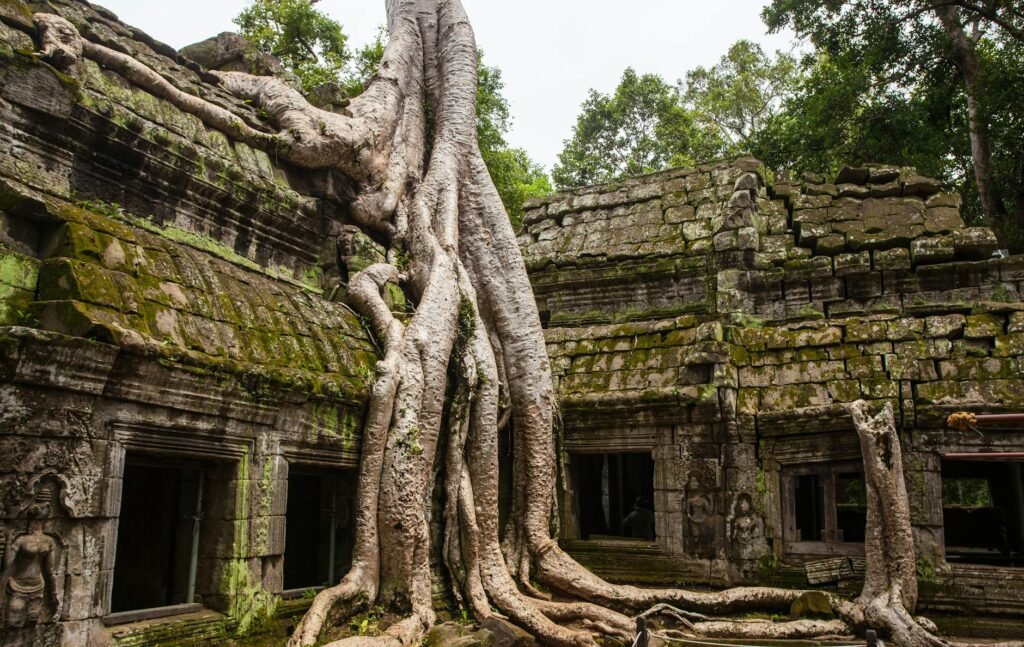 , is a sprawling complex of courtyards, galleries, and towering towers, dedicated to the Hindu god Vishnu. Its symmetrical design and intricate bas-reliefs depict scenes from Hindu mythology, offering a captivating journey through ancient religious beliefs. Exploring Angkor Wat is an unforgettable experience, one that leaves you in awe of the Khmer people’s architectural prowess. You can learn more about its history by visiting the official Angkor Wat website.
Angkor Thom: The Great City
Beyond Angkor Wat lies Angkor Thom, a walled city brimming with fascinating temples. The most notable within this area is the Bayon, renowned for its enigmatic smiling faces carved into its towers. 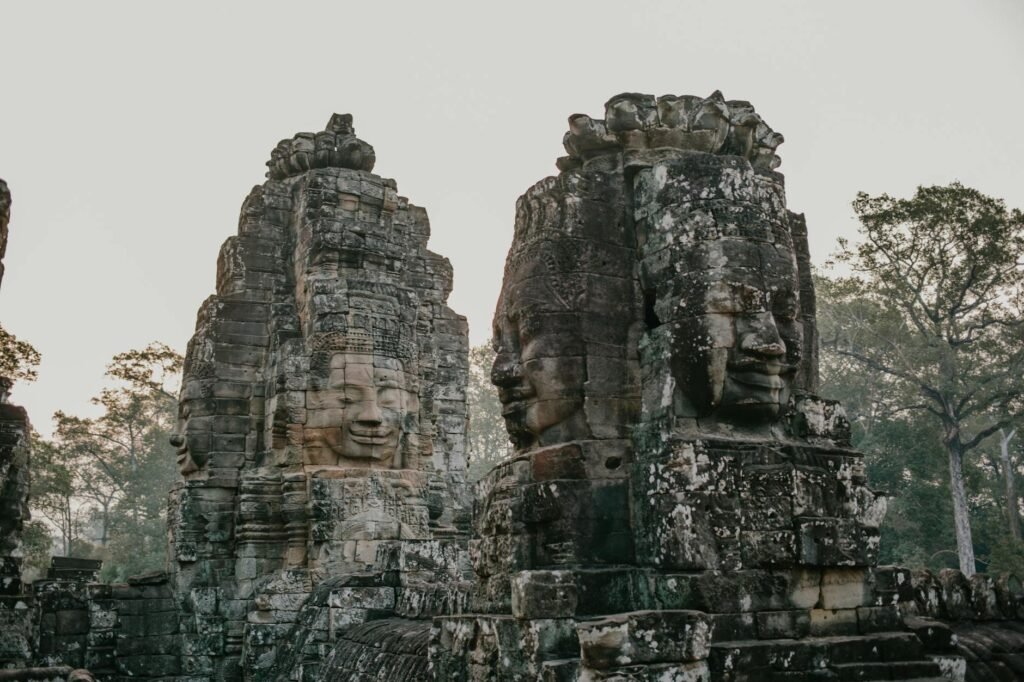 These faces, with their serene expressions, continue to intrigue visitors and scholars alike. Another must-see within Angkor Thom is the Terrace of the Elephants, a grand platform used for royal ceremonies. The scale of Angkor Thom is truly breathtaking, demonstrating the sheer size and ambition of the Khmer Empire. Discover more about its significance through the history section on our website.
Ta Prohm: Temples Overgrown by Nature
Unlike the meticulously restored temples of Angkor, Ta Prohm offers a captivating glimpse into the power of nature. [IMAGE_3_HERE] This temple, famously known as the ‘Tomb Raider’ temple, is beautifully intertwined with massive tree roots, creating a scene of both decay and resilience. The sight of giant trees enveloping ancient stones is incredibly evocative, offering a unique perspective on the passage of time. The UNESCO website provides further insights into the conservation efforts here.
Banteay Srei: The Citadel of Women
Banteay Srei, often referred to as the ‘Citadel of Women,’ is a smaller but equally captivating temple renowned for its exquisite detail and delicate carvings. [IMAGE_4_HERE] Its sandstone walls are adorned with intricate carvings, showcasing the Khmer’s mastery of artistry. Unlike many other temples, this one is thought to have been commissioned not by a king but by a royal official. Discover more about the artistry of the Khmer people by reading our dedicated article on Khmer art.
Preah Khan: A Spiritual Retreat
Preah Khan, meaning ‘Sacred Sword’, is a sprawling temple complex with a haunting atmosphere. This temple, [IMAGE_5_HERE] overgrown with vegetation, evokes a sense of serenity and mystery. Exploring its labyrinthine passages and crumbling structures, one can almost imagine the spiritual activities that once took place here. Further explore the religious beliefs of the Khmer Empire by reading about the Hindu and Buddhist influences.
Exploring the Khmer temples offers a unique and unforgettable journey through history and culture. Each temple tells a story, revealing facets of Khmer civilization’s achievements and beliefs. The experience is both enriching and humbling.
Frequently Asked Questions
What is the best time to visit the temples? The best time to visit is during the dry season, from November to April, when the weather is pleasant and the temples are easily accessible.
How can I get to the temples? The temples are located near Siem Reap, Cambodia. You can reach Siem Reap by air, land or water, and from there, hire a taxi, tuk-tuk, or rent a bicycle to explore the temples.
How long does it take to explore all the temples? It takes several days to properly explore the major temple complexes, especially Angkor Wat and Angkor Thom. Allocate at least 3-4 days to see the highlights.
Are there any guided tours available? Yes, numerous guided tours are available, offering insights into the history and significance of the temples. Hiring a guide is recommended for a deeper understanding.
What should I wear to visit the temples? Dress respectfully. Shoulders and knees should be covered. Light, comfortable clothing suitable for hot and humid weather is recommended.