The Naga bridge, or more accurately, the Naga balustrade, is a captivating feature found adorning many bridges across Asia, particularly in countries with a rich history and mythology linked to the Naga, a mythical water serpent or dragon. These balustrades are far more than mere decorative elements; they represent a profound cultural and artistic heritage.
The Mythology of the Naga
The Naga holds a significant place in various cultures across Southeast Asia. In some traditions, Nagas are considered benevolent protectors of water sources and fertility, while in others, they are depicted as powerful and sometimes dangerous beings. The Naga’s symbolic presence on bridges reinforces this protective role, guarding the passage and ensuring safe travel across water. 
Architectural Styles and Variations
Naga balustrades exhibit a remarkable diversity in their architectural styles and execution. While the fundamental representation of the Naga remains consistent—a multi-headed serpent with a serpentine body—the details vary significantly depending on the region and the specific cultural context. Some Naga balustrades feature intricately carved scales and flowing bodies, while others showcase more stylized and abstract representations. Learn more about regional variations. 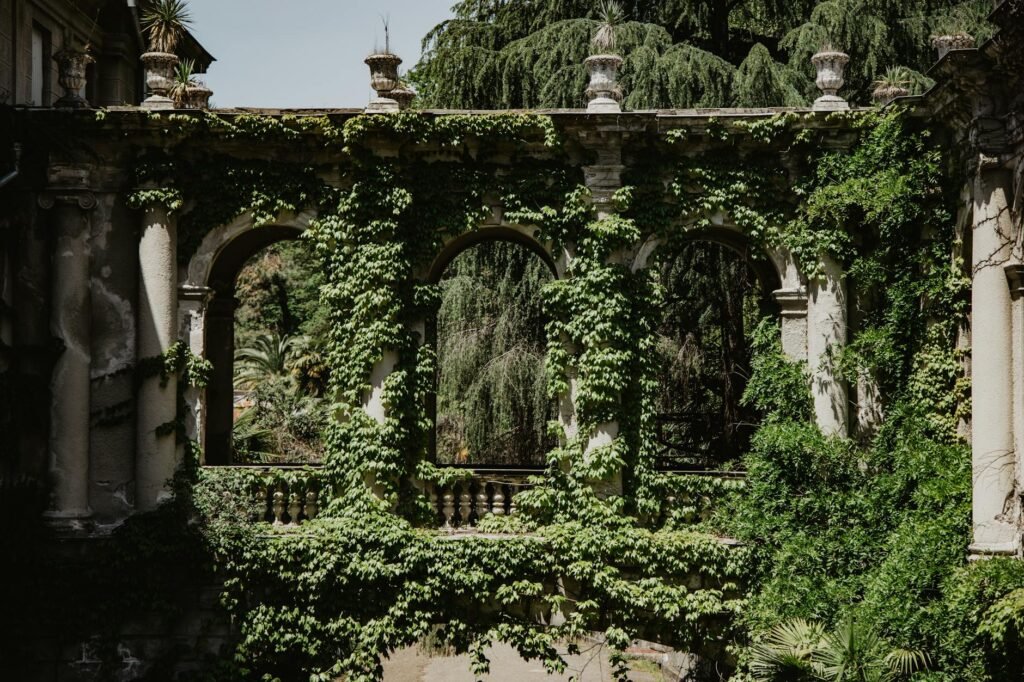
Materials and Construction Techniques
The materials used in the construction of Naga balustrades are as varied as their styles. Common materials include stone, wood, and more recently, concrete. Traditional construction methods often involved skilled artisans who meticulously carved and assembled the individual sections of the balustrade. These techniques, passed down through generations, contribute significantly to the unique aesthetic appeal of these structures. Explore traditional carving techniques.
Cultural Significance and Symbolism
Beyond their aesthetic value, Naga balustrades hold immense cultural and symbolic significance. The presence of the Naga on a bridge is often interpreted as a blessing, a symbol of protection, and a connection to the spiritual realm. The intricate carvings often incorporate other symbolic elements from the local culture, enriching the overall narrative embedded in the balustrade. Discover the symbolism of the Naga.
Modern Interpretations and Preservation
While many Naga balustrades represent ancient traditions, their significance continues to be recognized in modern times. Efforts to preserve these historical structures and to integrate the Naga motif into contemporary architecture are underway in many regions. This ensures that the legacy of the Naga and its symbolic representation will continue to enrich cultural landscapes for generations to come. [IMAGE_3_HERE] Read about conservation efforts.
Conclusion
The Naga balustrade serves as a captivating blend of art, mythology, and cultural heritage. These remarkable structures are not merely decorative elements; they are powerful symbols that embody the rich cultural tapestry of the regions where they are found. Understanding their significance provides a deeper appreciation for the artistry and spiritual beliefs of various Asian cultures. Find more examples of Naga bridges. [IMAGE_4_HERE]
Frequently Asked Questions
What is a Naga? The Naga is a mythical water serpent or dragon found in the mythology of various Asian cultures.
Where can I see Naga balustrades? Naga balustrades can be found on bridges throughout Southeast Asia, particularly in countries like Thailand, Myanmar, and Laos.
What materials are used to create Naga balustrades? Traditionally, stone and wood were used, but modern interpretations may use concrete or other materials.
What is the significance of the Naga in this context? The Naga is seen as a protective deity, often associated with water sources and fertility, making it a fitting symbol for bridges.
Are Naga balustrades still being created today? Yes, while many are historic, modern interpretations and preservation efforts continue to create and maintain these important cultural features. View examples of contemporary Naga art.