Cambodia, a land of ancient temples and vibrant culture, boasts a culinary scene as rich and diverse as its history. Beyond the bustling cities, a world of traditional flavors awaits, offering a unique and unforgettable gastronomic journey. This blog post highlights some must-try traditional Cambodian dishes that will tantalize your taste buds and leave you craving more.
Exploring the Flavors of Khmer Cuisine
Cambodian cuisine, often referred to as Khmer cuisine, is a delightful blend of sweet, sour, salty, and spicy notes. Fresh herbs, fragrant spices, and a variety of seafood and meats create a symphony of flavors. Unlike some Southeast Asian cuisines that rely heavily on chili heat, Cambodian food often features a more subtle spice profile, allowing the natural flavors of the ingredients to shine. The use of prahok (fermented fish paste) adds a unique depth and umami to many dishes, while coconut milk provides a creamy richness to others. To truly understand Cambodian food, you must experience it firsthand! Learn more about the essential role of kroeung below.
Num Banh Chok: Cambodia’s National Dish
No culinary exploration of Cambodia is complete without trying Num Banh Chok, the beloved national dish. This delightful noodle soup features fresh rice noodles bathed in a creamy coconut curry sauce. Garnished with fresh herbs, cucumber, and banana blossom, and typically topped with fish, it’s a light yet satisfying meal. 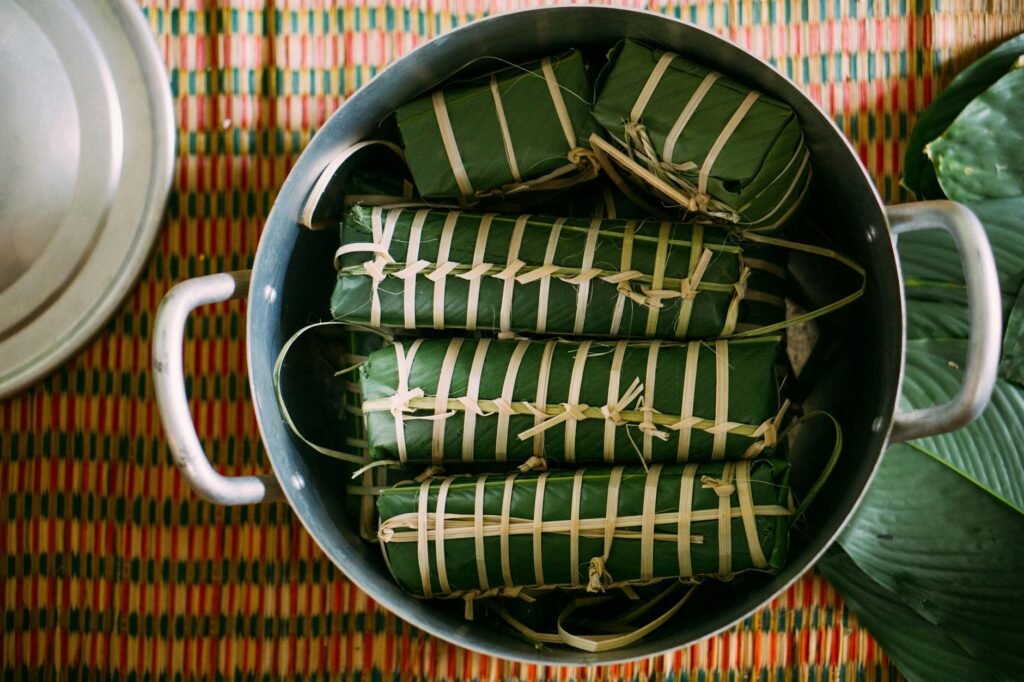 The vibrant colors and aromatic spices make it a feast for both the eyes and the palate. You can find variations across the country, with some regions using chicken or tofu instead of fish. Find out more about vegetarian options below.
Kroeung: The Heart of Cambodian Cooking
Kroeung is a complex paste of aromatics that forms the base of many Cambodian dishes. This vibrant blend typically includes lemongrass, galangal, turmeric, kaffir lime leaves, and garlic, creating a fragrant foundation for curries, stir-fries, and other delicacies. The specific ingredients and proportions can vary depending on the region and the intended dish, adding depth and complexity to the overall flavor profile.  Learning to make your own kroeung is a great way to appreciate the intricate details of Cambodian cooking.
Amok: A Culinary Masterpiece
Amok is a quintessential Cambodian dish known for its creamy, flavorful coconut milk-based curry. Often prepared with fish, chicken, or beef, the ingredients are gently simmered in a rich, fragrant sauce. The dish is typically steamed in banana leaves, adding a subtle sweetness and aroma. Each bite offers a delightful blend of textures and tastes. [IMAGE_3_HERE] Many restaurants offer variations on the traditional Amok recipe; be sure to try several to discover your favorite!
Bai Sach Chrouk: The Cambodian Breakfast Staple
Bai Sach Chrouk, also known as Khmer-style grilled pork and rice, is a breakfast staple that’s quickly become a beloved dish throughout Cambodia. Marinated pork is grilled to perfection, then sliced and served atop steamed rice, typically with pickled vegetables and a flavorful dipping sauce. It’s a simple yet incredibly satisfying meal that embodies the essence of Cambodian cuisine. [IMAGE_4_HERE] Many street vendors offer this tasty dish. Find out more about Cambodian street food here.
Sweet Treats: Num Ansom Chek and More
Beyond savory delights, Cambodia offers a world of sweet treats. Num Ansom Chek, a sweet rice dessert cooked in coconut milk, is a popular choice. Other traditional sweets include various kinds of sticky rice cakes and fruit-based desserts. These delightful confections provide the perfect balance to the savory dishes and offer a glimpse into another layer of Cambodian culinary artistry. Check out some amazing Cambodian dessert recipes here. The sweetness perfectly complements the savory dishes.
From the fragrant aromas of kroeung to the creamy richness of amok, Cambodian cuisine offers a sensory adventure for every palate. Exploring its diverse flavors and dishes is a journey worth undertaking. Whether you’re a seasoned foodie or a curious traveler, these traditional dishes will leave a lasting impression on your taste buds. Remember to try a variety of regional variations to fully appreciate the breadth and depth of this unique culinary heritage. Here’s a great resource to plan your Cambodian culinary adventure.
Frequently Asked Questions
What are some vegetarian options in Cambodian cuisine? Many dishes can be easily adapted for vegetarians by substituting fish or meat with tofu, vegetables, or mushrooms. Num Banh Chok, for example, can be enjoyed with tofu instead of fish.
Where can I find authentic Cambodian food? You can find authentic Cambodian food at local markets, street food stalls, and restaurants throughout the country. Look for places frequented by locals for the most authentic experience.
Is prahok (fermented fish paste) always used in Cambodian dishes? No, while prahok is a staple ingredient in some Cambodian dishes, it’s not included in all of them. Many dishes offer delicious flavors without the use of prahok.
Are there any spicy dishes in Cambodian cuisine? While Cambodian cuisine isn’t known for its extreme spiciness, you can find dishes with a noticeable chili kick, particularly in the more rural areas. Don’t hesitate to ask for recommendations at your chosen restaurant.
What drinks pair well with Cambodian food? Refreshing coconut water, fruit juices, and local beers are popular choices to accompany Cambodian meals.